
Navigate the world of online accommodation with our expert comparison of Airbnb and Booking.com. Understand key differences in guest behavior, fees, cancellation policies, and account creation to make informed choices for your travel or hosting needs. Whether it’s the unique experiences of Airbnb or the efficiency of Booking.com, discover which platform aligns best with your preferences.

Understanding the guest behavior on Airbnb and Booking.com is key to comprehending how each platform meets different traveler needs. Airbnb has built its reputation on providing unique, local experiences. It attracts guests who are often looking for accommodations that offer a personal touch, such as private homes, apartments, or unique spaces like treehouses or cabins. These guests typically value experiences that allow them to “live like a local” and may prioritize amenities that enable a more homely stay, such as kitchens or family-friendly spaces.
Booking.com, on the other hand, caters to a broader spectrum of travelers, ranging from business professionals to casual vacationers. This platform is known for its wide variety of accommodation options, including hotels, motels, hostels, and also apartments. The user behavior here leans towards those seeking traditional hospitality experiences, convenience in booking, and often, a more straightforward stay without the nuances of an Airbnb experience. Guests on Booking.com may prioritize aspects like location, price, or specific hotel amenities and are less likely to seek the unique, personalized experiences that Airbnb is known for.
This contrast in guest behavior also reflects in their booking patterns. Airbnb users tend to plan and book stays for longer durations, seeking a more immersive experience. In contrast, Booking.com users often make reservations for shorter stays, emphasizing efficiency and convenience.
By understanding these behavioral nuances, hosts and property managers can better tailor their offerings and marketing strategies to align with the expectations and preferences of guests from each platform. This alignment is not only crucial for maximizing occupancy rates but also for ensuring guest satisfaction, which is a cornerstone of success in the hospitality industry.

The fee structure is one of the most noticeable differences between Airbnb and Booking.com, impacting both hosts and guests. This is a crucial factor for both property owners and travelers to consider when choosing a platform.
On Airbnb, the fee model primarily consists of two parts: host fees and guest service fees. Hosts are typically charged a flat 3% commission on the booking total, which is relatively low compared to other platforms. This fee covers the cost of processing guest payments and customer support provided by Airbnb. For guests, Airbnb charges a service fee, which can be up to 14% of the booking subtotal. This fee can vary based on several factors, including the length of stay and the specifics of the booking.
In contrast, Booking.com adopts a different fee structure, focusing more on charging the property owners rather than the guests. Booking.com usually charges property owners a commission that ranges from 15% to 20% of the booking total, depending on the location and type of accommodation. This higher commission rate covers the cost of marketing properties to a wide audience and the operational costs of the platform. Unlike Airbnb, Booking.com generally does not charge guests any additional service fees, making it a potentially more cost-effective option for travelers.
Understanding these fee structures is essential for both hosts and guests. Hosts need to factor in these costs when setting their prices and calculating potential earnings, while guests should consider them when budgeting for their travels. The choice between Airbnb and Booking.com may depend on these cost considerations, alongside other factors like the type of accommodation and the desired experience.

Cancellation policies are a critical aspect for both guests and hosts when it comes to booking accommodations. The policies of Airbnb and Booking.com differ significantly, reflecting their distinct business models and customer service approaches.
Airbnb has a range of cancellation policies that hosts can choose from, each offering varying degrees of flexibility. These range from ‘Flexible’ to ‘Super Strict’, with options like ‘Moderate’ and ‘Strict’ in between. The ‘Flexible’ policy allows guests to cancel up to 24 hours before check-in for a full refund, while ‘Strict’ policies may only offer a 50% refund up until a week before check-in. The ‘Super Strict’ options, available by invitation only, offer very limited refunds and are typically for high-demand events or luxury accommodations. These varying policies provide hosts the flexibility to set terms that align with their comfort levels, but can also lead to confusion among guests if not clearly understood.
Booking.com generally allows property owners to set their own cancellation policies. However, these tend to be more standardized compared to Airbnb. Hotels and other accommodations on Booking.com often offer free cancellation up to a certain point before the check-in date, which is usually a few days to a week. Some rates, particularly discounted ones, may be non-refundable. Booking.com is known for promoting properties with more lenient cancellation policies, which can be a decisive factor for guests prioritizing flexibility.
It’s important for users of both platforms to carefully review the cancellation policies before booking. Guests should understand the implications of these policies on their refunds in case of cancellation, and hosts should choose a policy that protects their interests while being fair and clear to potential guests.
The process of creating an account on a booking platform is the first step for users to access services. Both Airbnb and Booking.com have distinct approaches to account creation, reflecting their respective user interfaces and service models.
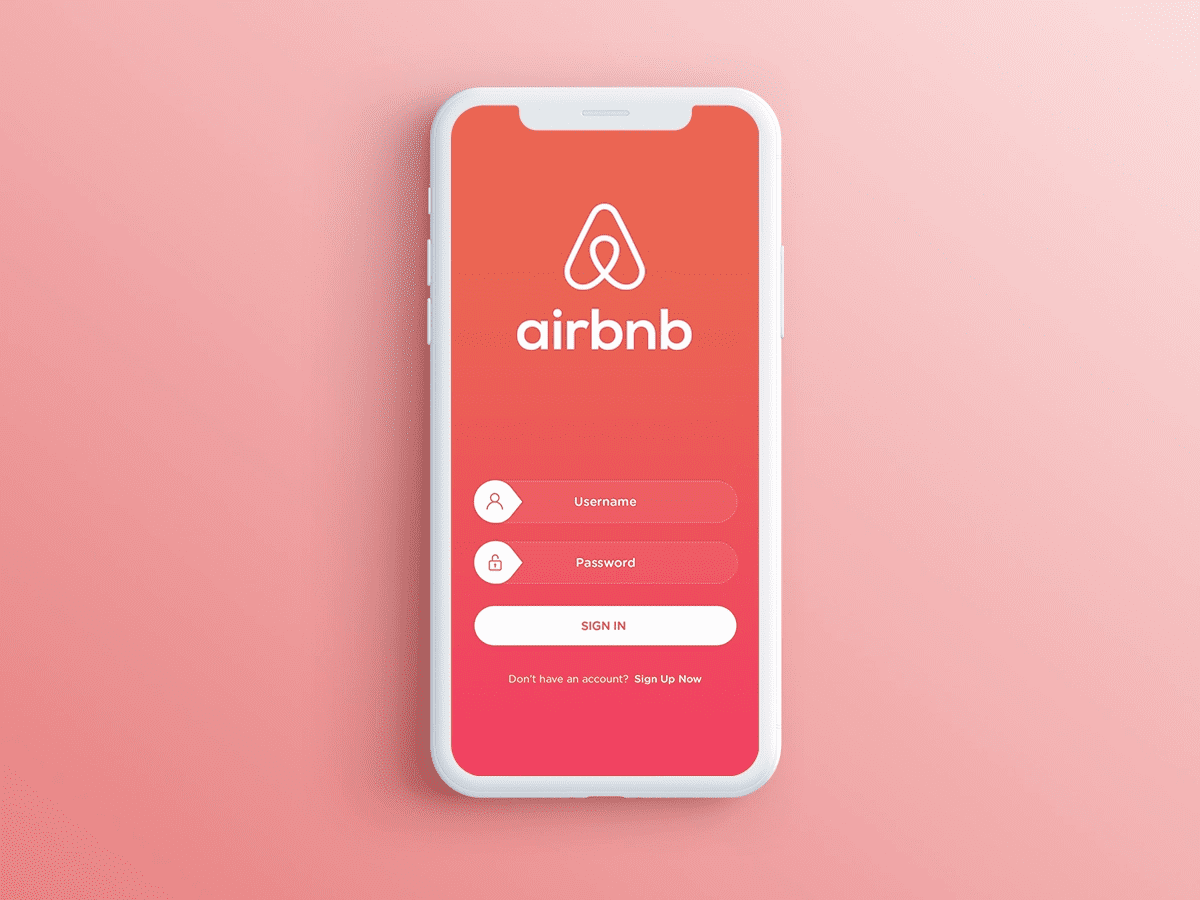
Creating an account on Airbnb is a process designed to build a community of trust and safety. New users are required to provide personal information such as full name, email address, confirmed phone number, and payment information.
Additionally, Airbnb encourages users to complete their profile with a photograph and a brief bio to foster a sense of community. This is particularly important because Airbnb often involves staying in personal homes or spaces. Hosts also have profiles with detailed information, including reviews from guests, which helps in building credibility and trust within the platform.
The verification process can also include linking social media accounts or providing a government ID.
In contrast, the account creation process on Booking.com is more streamlined and less personal. It’s primarily geared towards efficient booking transactions. Users need to provide basic information such as their name, email address, and payment details. The focus is more on the functional aspects of booking accommodation, and less emphasis is placed on creating a detailed user profile.
This approach aligns with Booking.com’s wide range of accommodation options, including hotels and resorts, where personal interaction with hosts is generally not a significant part of the experience.
Both Airbnb and Booking.com’s account creation processes are reflective of their unique brand identities and the experiences they offer. While Airbnb focuses on building a community and providing unique, local experiences, Booking.com emphasizes efficiency and a wide range of accommodation options.
In concluding our comparison of Airbnb and Booking.com, it’s essential to recognize that the “better” platform depends significantly on individual preferences and needs, both for guests and hosts. Each platform offers unique advantages and caters to different aspects of the accommodation booking experience.
For guests seeking unique, local, and personalized accommodation experiences, Airbnb stands out. It offers a wide range of properties, from private rooms in shared homes to luxurious villas, that provide a more homely feel. The emphasis on host-guest interaction and the community-centric approach can greatly enhance the travel experience for those seeking more than just a place to stay.
Conversely, Booking.com is the go-to platform for those who prefer a traditional accommodation experience, such as hotels, and value a straightforward, efficient booking process. Its broad range of options and standardized approach caters well to travelers who prioritize convenience and a more conventional stay.
For property owners and hosts, the choice between Airbnb and Booking.com also varies based on goals and commitment levels. Airbnb requires a more hands-on approach to manage bookings and ensure guest satisfaction but can potentially offer higher returns and more flexible pricing strategies. Booking.com, meanwhile, might be preferable for those seeking a more straightforward, hands-off approach to property rental.
If you’re considering venturing into hosting on platforms like Airbnb but are unsure about managing the nuances, Zena Suites offers expert Homestay Management services to help maximize your earnings while providing top-notch hospitality. Alternatively, if you’re leaning towards long-term rentals or need assistance in enhancing your property to attract reliable tenants or higher booking rates, consider Zena Suites’ Design and Build services, which can greatly improve the appeal and functionality of your property.
In summary, whether Airbnb or Booking.com is better hinges on what you value most in your travel or hosting experience. Understanding the unique offerings of each platform can guide you to a decision that aligns best with your personal or business objectives. With services like those offered by Zena Suites, navigating the world of property management and maximizing investment returns can be both efficient and rewarding.